


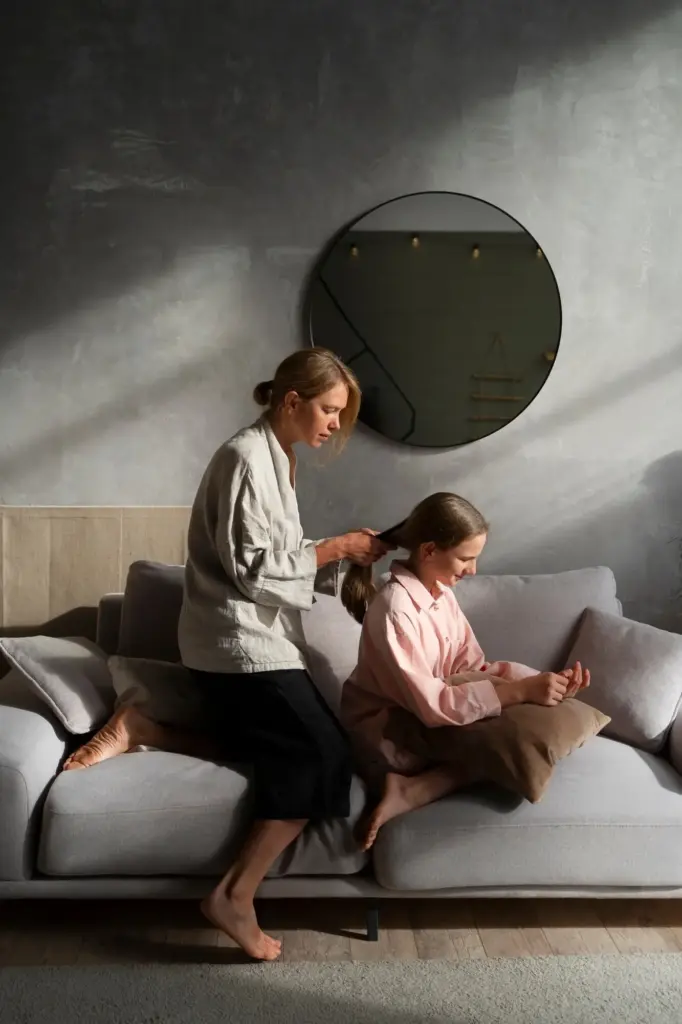


Invite the sun, soften the edges
Place mirrors to bounce daylight onto darker walls, and use light shelves or pale floors to carry brightness inward. Filter with linen shades to mellow harsh moments. Then trim electric levels by scene so interior glow respects the sky’s shifting mood throughout the day.

Efficient sources, luxurious feel
Pair efficient LEDs with excellent optics and finishes, proving sustainability can feel indulgent. Select drivers with long lifespans and low standby power. Favor modular systems that allow future upgrades without replacing housings. Responsibility and refinement meet when choices consider years, not months, of graceful service.
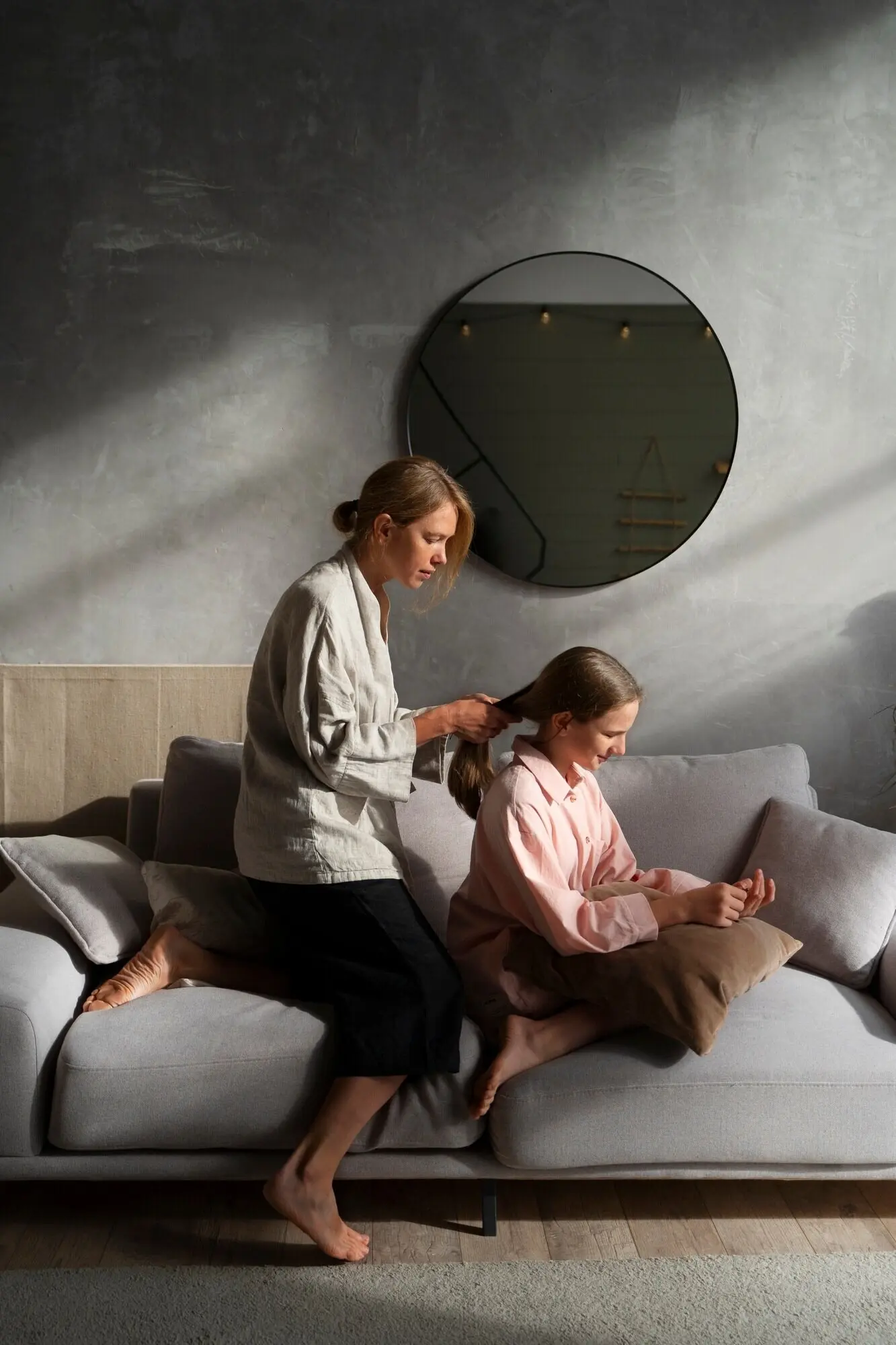
Care that keeps the glow
Plan for gentle cleaning schedules, safe access to high fixtures, and periodic aiming checks after furniture moves. Document scenes and notes in a simple binder or app. This small discipline preserves nuance, preventing gradual drift toward glare and keeping the home’s quiet radiance intact.