Less, Better: Graceful Living in Small Footprints

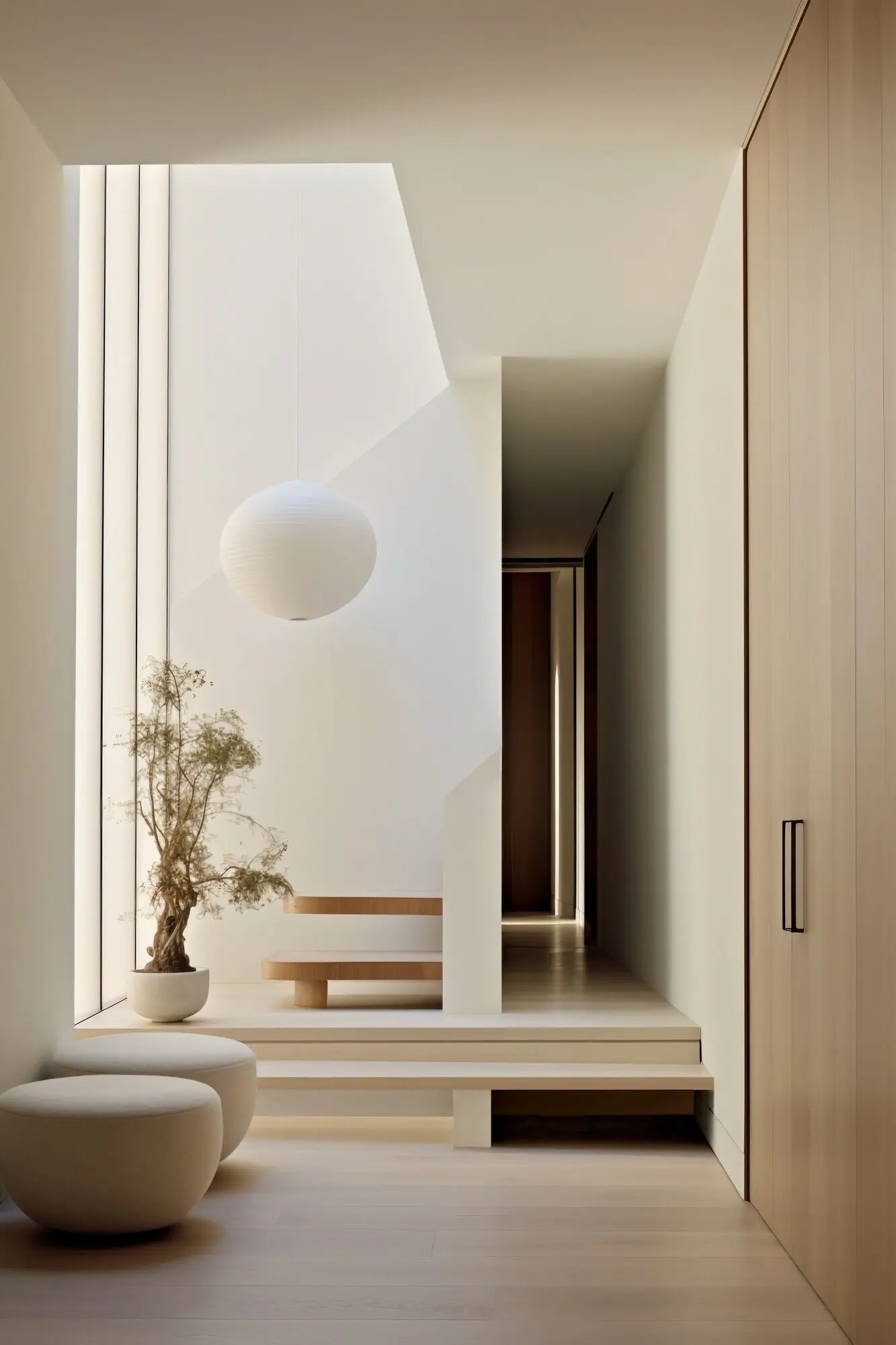
Today we explore elevating compact spaces with low-key luxe design, celebrating refined materials, considered proportions, and calm palettes that quietly amplify everyday life. Expect strategies shaped by real apartments, practical shopping insights, and soulful routines that make small homes feel generous. Share your questions and wins as you read, and subscribe for weekly notes on gentle upgrades, durable choices, and elegant habits that keep beauty effortless even when square footage is scarce.

Principles of Effortless Refinement

Understated luxury thrives on restraint, intention, and comfort that never shouts. In compact rooms, every inch must earn its place while allowing moments of breathing space. We lean on balance, tactility, and timeless lines that age well, so your home looks collected, not crowded. These principles anchor choices, prevent impulse clutter, and ensure the smallest detail—stitching, grain, or seam—supports serenity. Comment with your biggest challenge and we will troubleshoot it together in upcoming letters.

Materials That Feel Like a Secret

Choose finishes that improve with touch and time, not those demanding constant polishing. A brushed brass handle warms under fingertips; a waxed oak shelf gains a soft sheen with use. Such materials hide in plain sight yet quietly elevate routines. They photograph subtly, but in person they glow—the true mark of discretion. If you are deciding between two options, run your hand across samples and notice which texture encourages slower breathing.
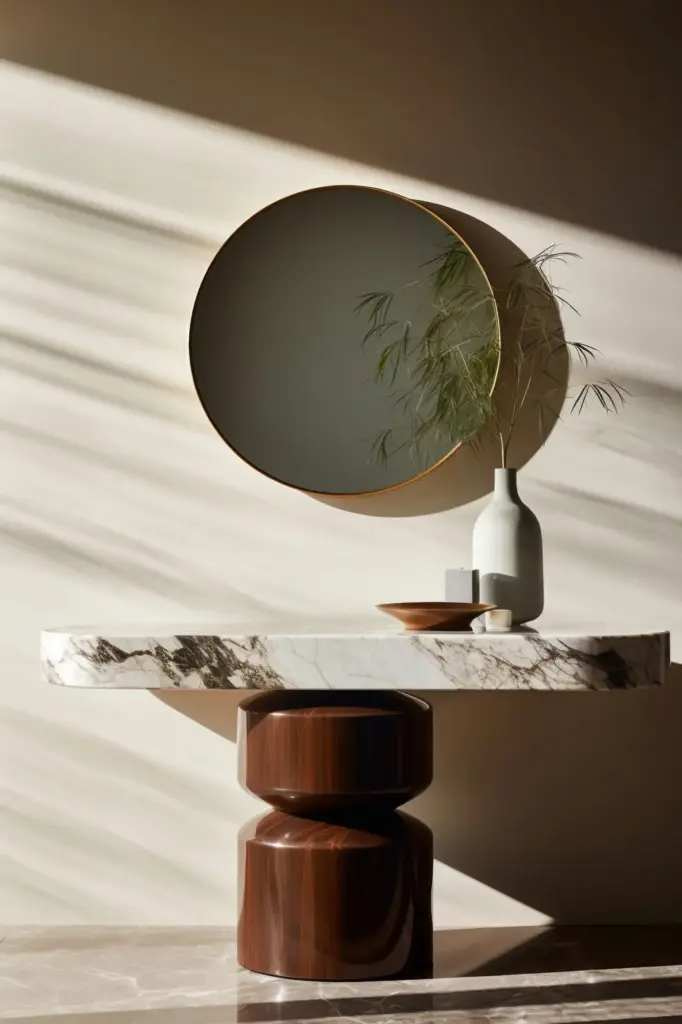
Honed marble, soapstone, and travertine offer movement without mirror-like reflections that can shrink rooms. In my kitchen nook, a small slab of tumbled travertine became a tea station that feels indulgent every morning. Maintain with pH-neutral cleaners and accept patina as memory, not damage. Pair with linen tea towels and ceramic cups to round the tactile story, letting small rituals absorb luxury gently and honestly.
Quarter-sawn oak, walnut, or ash with visible grain lends depth that veneers often miss. Even a single wooden element—a ledge, tray, or bench—can anchor an entire room. Seek satin finishes that avoid glare and protect fibers. Ask suppliers about FSC certification and origin stories; knowing where a board grew weaves pride into daily use. Share your favorite wood species, and we will outline compatible stains that preserve authenticity while resisting wear.
Choose muted patinas—brushed, satin, or antiqued—over chrome sparkle. Warm metals harmonize with candlelight and evening moods, making small rooms feel intimate rather than clinical. Mix thoughtfully: one dominant metal with a supporting accent prevents visual noise. Maintain with soft cloths and minimal product to encourage lived-in radiance. If hardware updates are your first project, photograph existing light and floor tones; we will suggest a cohesive pairing that calms the palette.

Light, Color, and the Perception of Room

Gentle illumination and grounded hues can double perceived space without moving walls. Layer ambient, task, and accent lighting to sculpt volume, then choose colors with softened contrasts so edges dissolve elegantly. Cool daylight tints can flatten warmth; compensate with dim-to-warm bulbs near seating and bedside zones. Color stories should flow between rooms like chapters of one book. If you are unsure where to begin, share your window orientation for customized palette guidance.

Proportion as a Power Tool

Measure ceiling height, sill height, and door swings before purchasing. A lower, longer sofa can lengthen a room, while a petite round table preserves pathways. In my former loft, swapping a bulky ottoman for a slender nesting pair changed nightly comfort. Keep leg lines clean, avoid ornate carving that traps dust, and choose fabrics with discreet weaves that wear gracefully under real life.

Multifunction Without Compromise

Choose pieces designed to transform beautifully, not just technically: a drop-leaf table that looks elegant folded, a sleeper sofa with tailored seams, stools that stack like sculpture. Quality mechanisms matter—test quietly in store. Hidden wheels with locks keep flexibility without visual noise. If you host occasionally, borrow extra seating from adjacent rooms instead of overfurnishing. Comment your hosting needs and we will map adaptable arrangements together.

Storage, Editing, and Daily Rituals

Elegance relies on what you do not see: integrated storage, seasonal rotation, and gentle habits that stop clutter before it lands. Create landing zones for mail, keys, and bags, then honor them nightly. Label interior shelves for easy returns. Reserve one cabinet for hospitality—candles, clean linens, spare glasses—so guests feel welcomed without frantic searches. Tell us your toughest category to tame, and we will share a minimalist, kind-to-yourself plan in our next update.

Finishing Touches, Stories, and Care

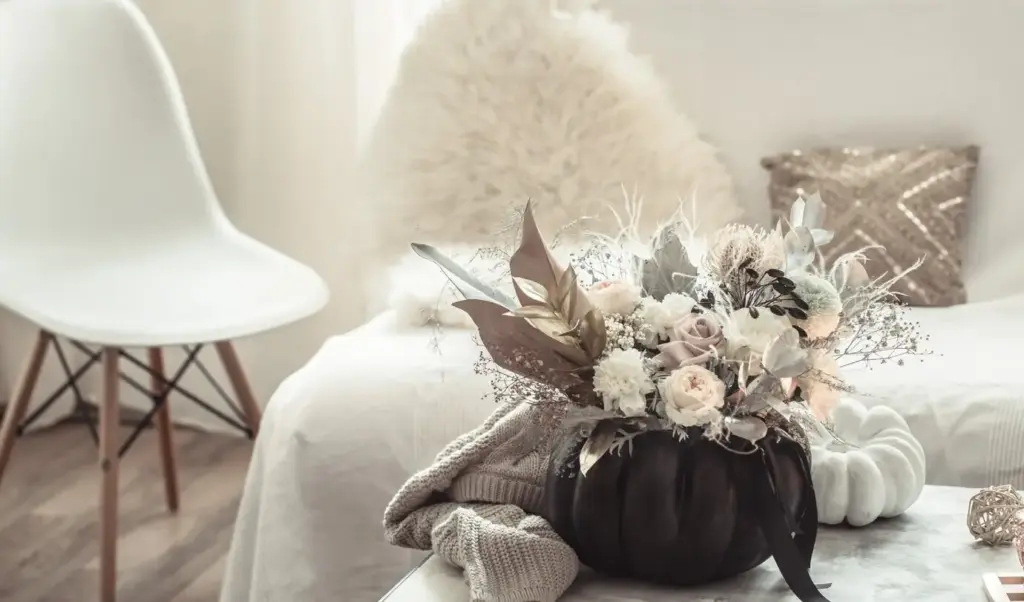
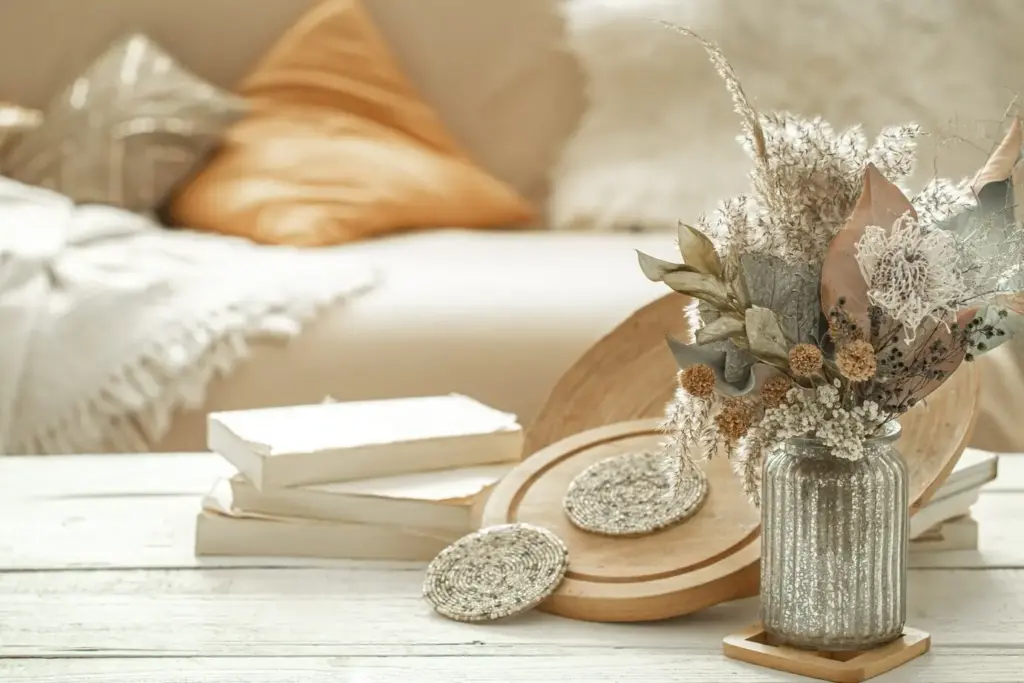
The final layer should feel personal, not staged: art you love, a travel stone on a stack of books, a single branch in a handmade vase. These choices carry memory and soften perfection. Maintenance sustains the mood—gentle cleaners, seasonal fabric care, and lightbulb audits that keep color temperatures aligned. Ask for a tailored checklist in the comments, and subscribe for quarterly refresh prompts that keep quiet elegance alive through real, busy weeks.

Vuvavanapavazemututapo
Privacy Overview

This website uses cookies so that we can provide you with the best user experience possible. Cookie information is stored in your browser and performs functions such as recognising you when you return to our website and helping our team to understand which sections of the website you find most interesting and useful.